Find a Mississauga Roofer
Specialist Roofing Services: Installation, Repair, Replacement, and Maintenance Solutions
Professional roofing services are crucial for preserving the safety and integrity of a home. Proper installation, timely repairs, and strategic replacements can significantly extend a roof's lifespan. Homeowners often overlook the value of regular maintenance, which can stop expensive issues down the line. Understanding the nuances of roofing solutions can enable homeowners. Yet, many are unsure of how to choose the right approach for their particular needs.
Importance of a Quality Roof Installation
A properly installed roof acts as the first line of defense against the elements, making the importance of quality roof installation crucial. A roof protects not only the structural integrity of a building but also the well-being and security of its occupants. Poor installation can lead to water damage, leaks, and mold development, which can undermine the building's foundation and lead to costly repairs. Moreover, a quality roof supports energy efficiency by providing appropriate insulation, reducing heating and cooling costs. It improves the overall aesthetic appeal and market value of the property, making it a smart investment. Additionally, a professionally installed roof adheres to local building codes and standards, guaranteeing safety and reliability. Homeowners should prioritize hiring skilled roofing contractors who understand the intricacies of various roofing materials and techniques, as this can greatly affect the durability and effectiveness of the roof. Finally, a sound installation provides the basis for long-term protection and peace of mind.
Standard Roofing Repairs along with their Solutions
Several roofing issues can emerge over time, requiring timely repairs to preserve the integrity of a home. Common problems include leaks, missing or damaged shingles, and sagging roofs. Leaks frequently result from worn-out flashing or compromised shingles, calling for immediate attention to avoid water damage. Homeowners may need to replace missing shingles or repair damaged ones to ensure a watertight seal.
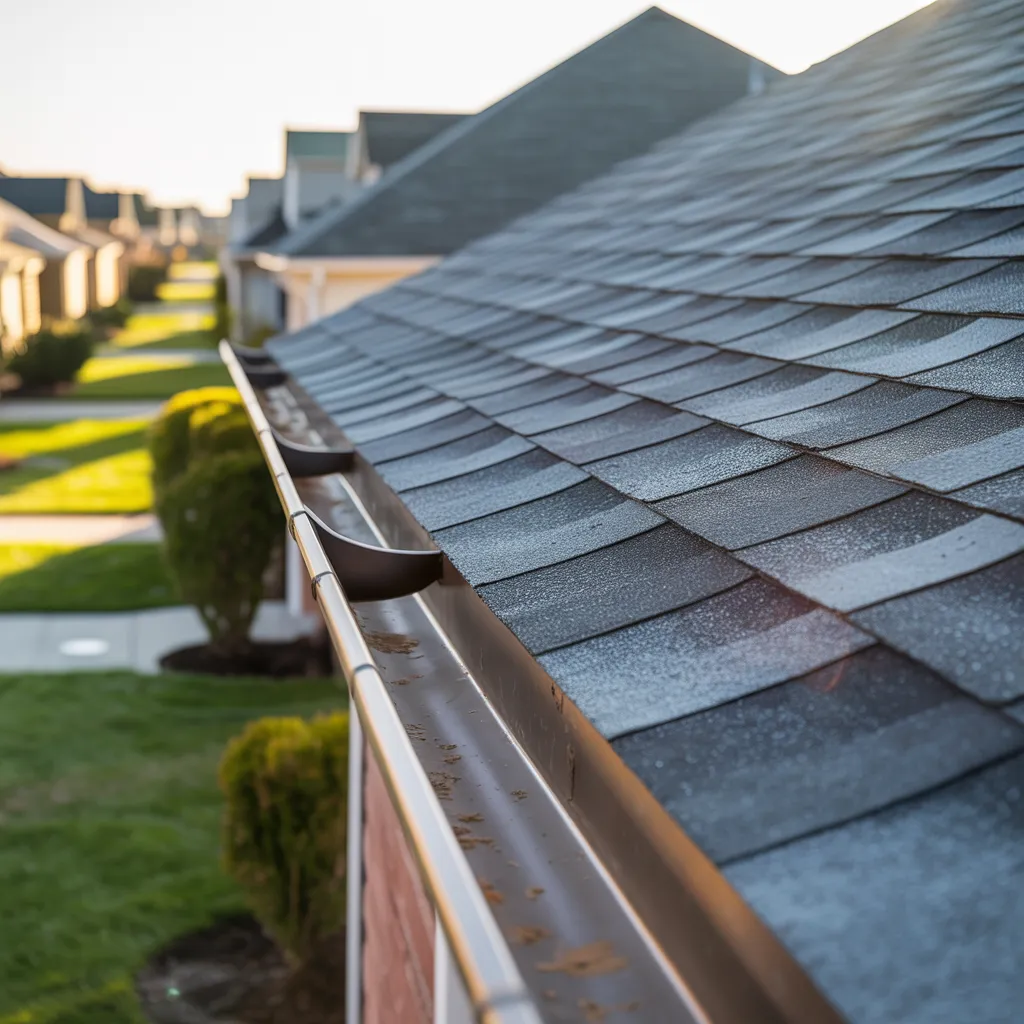
Another typical concern is the accumulation of debris in gutters, which can cause water pooling and consequent roof damage. Consistent cleaning and upkeep can prevent this problem. Additionally, sagging roofs can indicate structural problems, demanding a professional evaluation to determine the underlying cause and appropriate solution.
Finally, handling these typical roofing repairs promptly not only preserves the property's structural integrity but also increases the lifespan of the roof, providing peace of mind to homeowners.
When You Should Consider a Roof Replacement
What signs indicate a homeowner should replace their roof? Various factors can indicate when roof replacement is necessary. Primarily, the age of the roof matters considerably; most roofs have a lifespan of 20 to 30 years based on the materials used. If a roof approaches or exceeds this lifespan, replacement should be considered.
Furthermore, apparent damage such as bending, absent shingles, or extensive granule loss signals deterioration. Home owners should also examine for leaks or water stains within the house, as these may indicate deeper problems.
One more consideration is the roof's structural integrity; drooping or irregular surfaces can indicate serious problems that necessitate a complete replacement. Additionally, if repairs become frequent and costly, purchasing a new roof might be more cost-effective in the long run.
Eventually, working with a professional can offer clarity on whether a roof replacement is required for providing safety and protection.
Standard Maintenance Procedures for Longevity
Although numerous property owners might ignore their roofing systems until issues emerge, consistent maintenance routines are crucial for increasing the lifespan of roofing systems. Examinations must be completed at least biannually, prioritizing the recognition of issues such as displaced shingles, fissures, or symptoms of leak damage. Eliminating debris, like fallen leaves and twigs, from the roof and gutter system avoids water accumulation, which may result in seepage and deterioration. Additionally, addressing minor repairs promptly can prevent more extensive damage and costly repairs in the future. Homeowners should also check for proper ventilation, because poor air circulation can check this resource cause thermal retention and dampness, compromising the roof's integrity. Finally, scheduling professional evaluations can provide a thorough assessment and expert recommendations tailored to the specific roofing system. Executing these consistent maintenance protocols confirms a roof maintains excellent condition, protecting the property from weather conditions and improving its total worth.
Picking the Right Roofing Materials for Your Home
When selecting roofing materials, homeowners should consider several factors such as climate, budget, and aesthetic preferences to guarantee a durable and visually appealing choice. Different materials present distinct advantages; for instance, asphalt shingles are affordable and suitable for multiple climates, while metal roofing ensures long-lasting performance and energy efficiency.
In areas susceptible to severe weather conditions, slate or tile are often favored for their durability and resilience to extreme conditions. Additionally, the architectural style of the home should guide roofing material decisions; traditional homes often benefit from wood shakes or shingles, while modern designs may favor metal or flat roofing options.
Budget constraints also play a significant role, as certain materials demand higher upfront costs but could provide decreases in servicing and power expenses throughout the years. Ultimately, a careful approach to selecting materials ensures that homeowners reach a balance between functionality and aesthetic appeal.
Popular Questions
How Much Time Does a Standard Roof Installation Require?
A standard roof installation usually takes between one and three days, based on the roof size, complexity, and weather conditions. Elements like the material type and crew experience also affect the complete timeline.
What Roofing Service Warranties Are Available?
Roofing service warranties generally encompass materials coverage ranging from two to five decades, and workmanship warranties, ranging from 1-10 years. The coverage length and scope differ by the contractor and the materials utilized.
Can I Put a New Roof Over My Existing One?
Indeed, it is possible to install a new roof over an existing one, as long as local building codes authorize it and the structure can support the additional weight. Nonetheless, thorough assessment and preparation are vital for long-term durability.
What Are the Warning Signs That Your Roof Needs Repair?
Signs that your roof needs repair include damaged or absent shingles, leaking issues, areas showing sagging, stains from water on ceilings, too many granules collecting in gutters, and noticeable mold or mildew growth. Immediate attention can prevent additional damage.
How Does Weather Impact Roofing Projects?
Weather patterns substantially influence roofing projects. Rain delays installation, while severe temperatures may impact the structural soundness of materials. Windy conditions pose safety risks, and snow accumulation can hinder progress, requiring careful planning and timing for proper implementation.